
Byzantine Museum with Kids: What to See, How Long to Stay, and What to Do Nearby
Table of Contents
Introduction
Visiting the Byzantine Museum with kids is easier than most parents expect. The Museum of Byzantine Culture on Stratou Avenue in Thessaloniki covers 3,000 square metres across eleven thematic rooms, and is fully accessible by stroller and wheelchair.
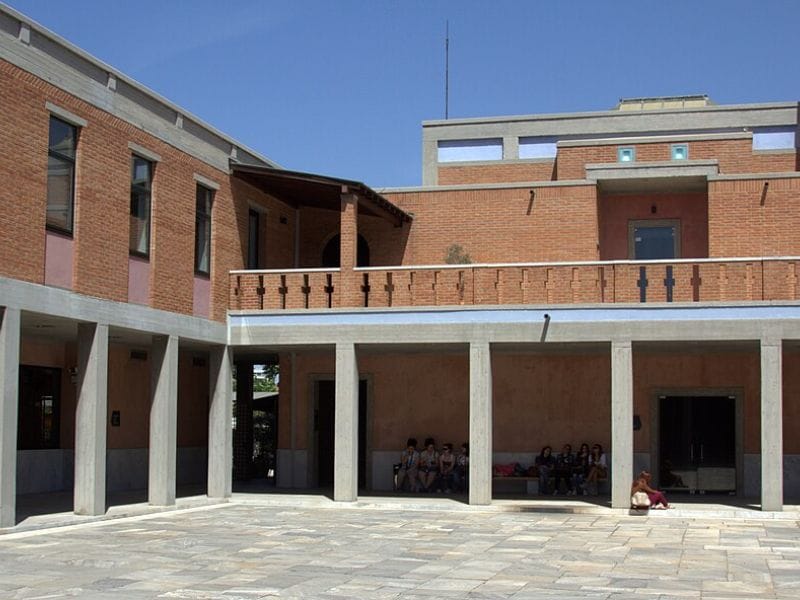
For families already planning a day in the city, it is one of the most practical cultural stops in northern Greece — provided you know which rooms to prioritise and how long to stay. The building, designed by architect Kyriakos Krokos and opened in 1994, was planned with natural light and wide circulation in mind.
Rooms are organised by theme rather than strict chronology, which means you can walk directly into the Byzantine household section or the mosaic room without sitting through an introductory sequence. That flexibility matters considerably when one member of your group is seven years old and has already decided that glass cases are not interesting.
What children actually respond to at the Byzantine Museum
Museum educators at the Museum of Byzantine Culture report that children between five and ten respond most consistently to three categories of object: mosaics and icons for their colour and scale, jewellery and personal ornaments for their familiarity, and carved marble reliefs featuring animals.
The double-headed eagle — a recurring Byzantine imperial motif in Room 6 — tends to stop children who recognise it from the Greek national football team badge. That moment of connection, unscripted and reliable, is worth knowing about before you arrive.
Room 3 contains the museum’s largest intact mosaic fragment: a floor section from a 5th-century Thessaloniki basilica, roughly two metres wide, installed at floor level behind glass. Children can approach it at eye height without being lifted. Most families spend longer here than they planned.
Room 9, covering Byzantine daily life, includes pottery, cooking vessels, oil lamps, and children’s toys — a terracotta animal on wheels and several small figurines dating to the 11th and 12th centuries. These objects consistently generate more questions from children than the imperial portrait icons in adjacent rooms.
Byzantine Museum with Kids: A simple observation game that works from age five
Rather than explaining iconography, a few open questions transform passive looking into active engagement: “How many halos can you count in this room?”, “Can you find an animal hiding in the mosaic?”, “Who has the most expensive-looking crown?”.
The museum’s own family guide — available free at the entrance desk in Greek and English — includes a printed observation trail along similar lines, with prompts linked to specific objects in the permanent collection.
How long to stay and which rooms to skip

Byzantine Museum with Kids 60 to 90 minutes covers the essential rooms without exhaustion. A focused route through Rooms 3, 7 and 9, plus the temporary exhibition space when active, takes approximately 75 minutes at a relaxed pace.
Rooms 10 and 11 — Byzantine manuscript illumination and the late Byzantine period — are dense and scholarly; they are better suited to adult or older-teen visits. Leave while the children are still engaged. Coming out on a high note makes the next museum visit easier to negotiate.
Morning visits between 9:00 and 11:30 are consistently quieter than afternoon sessions. The museum receives a high volume of school groups from Monday to Wednesday between October and May; families visiting during those windows may find certain rooms temporarily crowded.
The museum’s café, located in a separate building at the rear of the complex, opens at 10:00 and offers a break point that does not require leaving the site.
Combining the museum with a wider day out in Thessaloniki with kids

The museum sits on Stratou Avenue, a 12-minute walk from Aristotelous Square along the seafront. Families who want to extend the morning without another indoor venue can walk the New Waterfront promenade (Nea Paralia) eastward from the White Tower — a flat, car-free path of approximately 3.5 kilometres with playgrounds at intervals.
The White Tower itself, 800 metres from the museum on foot, charges €4 adult entry and is free for children under 18; the climb involves 92 steps with no lift, manageable for children over five but not suitable for pushchairs.
For families looking for a contemporary contrast after the Byzantine collection, MOMus — the Museum of Modern Art Thessaloniki — is located 400 metres east on the same avenue. MOMus runs children’s creative workshops on Saturday mornings throughout the school year, bookable online.
Its permanent collection includes large-scale colourful installations that tend to hold children’s attention more readily than smaller-format works. Thessaloniki and Byzantine Museum with Kids with kids covers a lot of ground within a compact, walkable central area; the museum is well-positioned as either an opening or a closing stop on a longer family itinerary.
Seasonal family workshops at the museum
Families who plan a Byzantine Museum with kids visit around the school holidays will find dedicated workshops in October, December and April, in addition to the full summer programme in July and August Workshop themes in recent years have included mosaic-making using coloured tiles, icon-painting introduction sessions, and a “detective in the museum” activity trail for children aged seven to twelve.