
A Journey Through Light and Faith: Inside the Museum of Byzantine Culture in Thessaloniki
Table of Contents
A Different Kind of Museum
You don’t just visit the Museum of Byzantine Culture in Thessaloniki — you slowly arrive there.
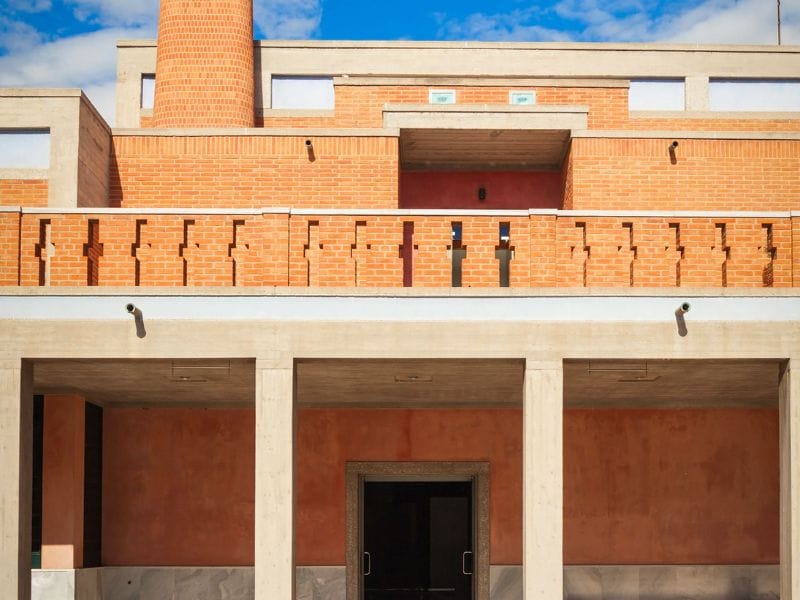
It’s not one of those flashy museums filled with noise and labels everywhere. It feels quieter, more deliberate. The building itself — all brick, soft light, and pale stone — sets the tone before you even step inside.
It was designed by Kyriakos Krokos, an architect who clearly understood that Byzantium wasn’t about grandeur, but about rhythm and balance. The first thing that hits you is how calm everything feels. Light moves across the walls like it’s alive, changing as you walk. Somehow, it’s already telling you a story before you’ve seen a single exhibit.
Stories Hidden in Stone and Gold
Inside, time feels slower.
The museum doesn’t overwhelm you with huge statues or golden crowns. Instead, it invites you to notice things — a mosaic fragment, a candle holder, a bit of faded color on a wall. Each piece speaks softly about everyday life: prayer, trade, faith, family.
Walking through the galleries, you move from the early Christian world into the high days of the Byzantine Empire and then toward its final centuries. It’s not a linear timeline, more like a circle — everything feels connected. You start to realize that Byzantium wasn’t just an empire; it was a way of seeing the world.
In the Museum of Byzantine Culture Thessaloniki, beauty feels functional. A jug, a coin, even a piece of fabric seems made with purpose and reverence. The artistry is never just decoration — it’s devotion.
Architecture That Feels Like a Whisper
The building itself is part of the experience. It’s made from warm materials — brick, marble, and filtered light — that make you feel sheltered, like you’re walking inside a poem written in stone.
Nothing feels random. The rooms open gently into each other, guiding you forward without forcing you. Sometimes you catch yourself stopping, not to look at an object, but to listen — to the echo of your steps or the hum of the air conditioning that almost sounds like a distant chant.
I loved that. It’s not often you walk through a museum that gives you space to breathe.
The Faces of Faith and Power
The icons are, of course, unforgettable.
Gold backgrounds shimmer faintly under the gallery lights. The faces — still, luminous, somehow human and distant at the same time — look back at you with the quiet confidence of eternity.
Nearby, imperial seals, coins, and inscriptions remind you that Byzantium was also about power — emperors ruling under the gaze of heaven. And yet, right beside those emblems of authority, there are humble crosses, pendants, and small wooden icons made for ordinary believers.
That mix of majesty and simplicity feels very human. You realize that the empire survived for a thousand years because it spoke to both — the crown and the commoner.
The Fading Light That Never Dies
Toward the end of the museum route, the colors soften. Late-Byzantine icons have a different feeling — less formal, more emotional. Faces are tender, almost sad. There’s a warmth that speaks of faith holding on, even as the empire was crumbling.
You can’t help but linger there. It feels like standing in the last sunlight of a long day — quiet, golden, and full of meaning.
When you leave, you don’t think about dates or emperors. You think about endurance. About how something can fade without ever truly disappearing.
Why You Should Visit Museum of Byzantine Culture in Thessaloniki
The Museum of Byzantine Culture in Thessaloniki isn’t just for historians. It’s for anyone who needs a pause — a moment away from the modern rush. It shows that beauty doesn’t need to shout to matter.
Its exhibitions, educational programs, and research projects keep the Byzantine world alive in the present, but what stays with you most is the feeling — the calm, the light, and the quiet understanding that this culture still whispers through every stone in Thessaloniki.
Before You Go
The Museum of Byzantine Culture in Thessaloniki sits right beside the Archaeological Museum, on Stratou Avenue — an easy walk from the city center.
If you can, visit early in the morning when the galleries are still quiet and the sunlight moves gently through the stone halls. It’s the best time to feel the rhythm of the place.
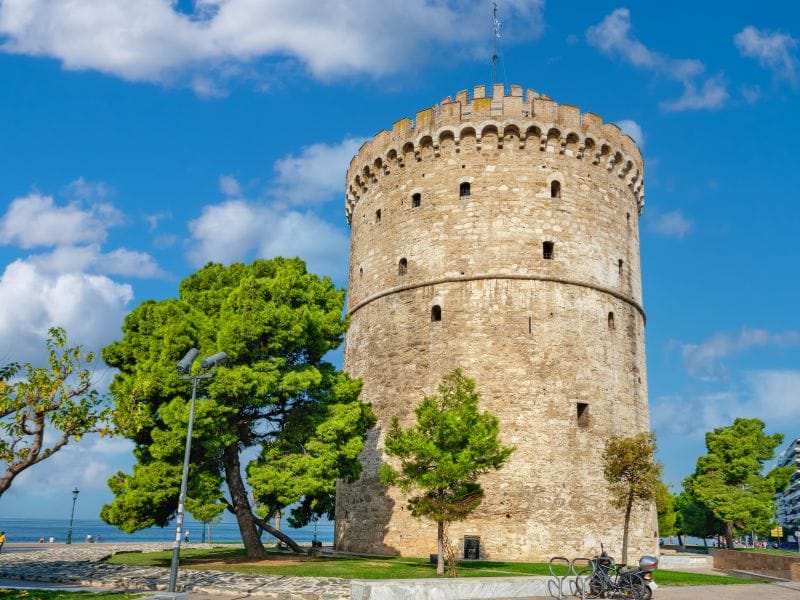
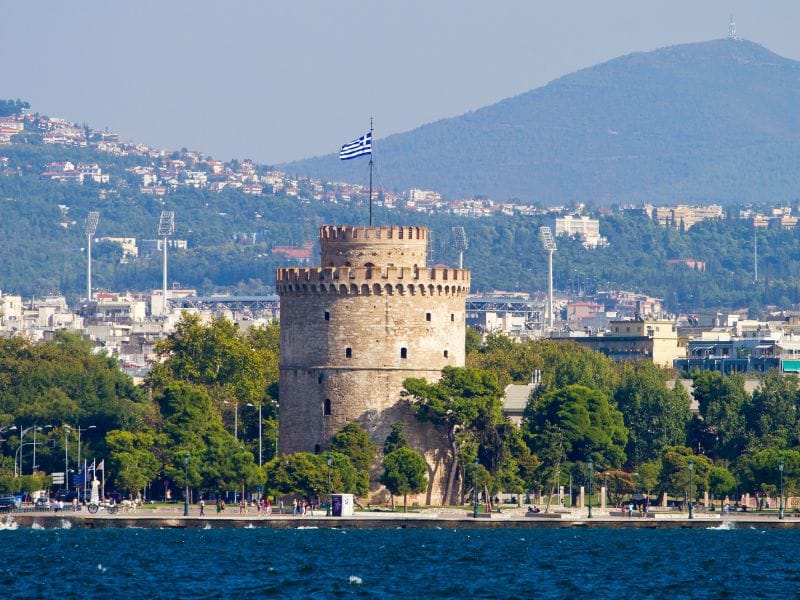
There’s a combined ticket that also covers nearby sites, so it’s worth planning a small circuit — maybe the Rotunda, Agios Demetrios, and a final stop at the White Tower.
And one last thing: don’t rush out. Step into the courtyard before you leave. When the sun begins to set, the walls take on a warm glow — not bright gold, but soft, like candlelight on old marble. It’s one of those moments you don’t photograph; you just remember.
Leaving the Museum of Byzantine Culture in Thessaloniki
When you walk out the Museum of Byzantine Culture in Thessaloniki into the sunlight, it takes a second for your eyes to adjust. The world outside feels louder, brighter, a little too fast. But that’s the magic of this place — for an hour or two, you were somewhere else.
And as you step back into the streets of Thessaloniki, you might notice something small — the way light hits a wall, or the sound of footsteps on stone — and think, Byzantium never really left.