
Life in Byzantine Empire: What Thessaloniki Teaches Us
Table of Contents
What Made the Byzantine Empire So Powerful for 1,000 Years
Empires rise. Most of them fall just as quickly. The Byzantine Empire did neither — at least not in the usual way. It lasted. Not for decades, not for a few generations, but for more than a thousand years.
That kind of endurance doesn’t happen by accident. It comes from a mix of advantages, decisions, and, perhaps most importantly, the ability to change without breaking. So what kept it going for so long?
Geography That Worked in Its Favor
It starts, as it often does, with location. Constantinople wasn’t just well placed — it was perfectly placed. Sitting between Europe and Asia, it controlled trade routes that connected entire worlds. Goods passed through constantly, and with them came wealth, influence, and information.
But the real strength of the city wasn’t only where it stood. It was how it was built. Its walls were legendary. Thick, layered defenses made it one of the hardest cities to capture for centuries. Armies came, laid siege, and failed — again and again. Geography gave the empire opportunity. Fortifications made sure it could keep it.
A System That Didn’t Collapse Easily
Many empires depended too heavily on expansion. When growth stopped, they weakened. The Byzantine Empire worked differently. It built a system — administration, taxation, law — that could function even when borders shifted. Territories were lost, sometimes suddenly, but the internal structure remained intact.
That mattered. It meant the empire could shrink without disappearing. It could reorganize instead of collapsing. Few states in history managed that kind of controlled survival.
Faith as a Unifying Force
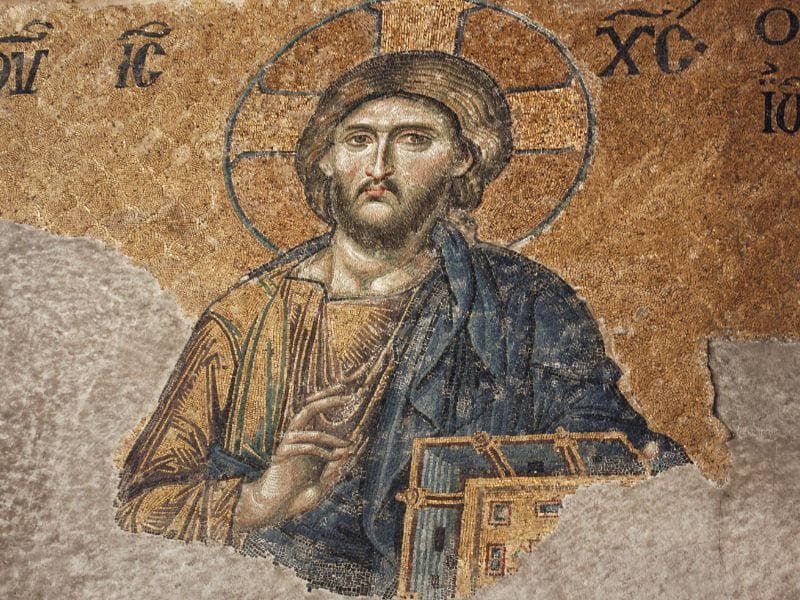
Religion in Byzantium wasn’t a separate sphere. It was woven into everything. The emperor wasn’t just a political figure. He was seen as a guardian of the faith. Laws reflected religious ideas. Education, art, and public life all carried the same underlying worldview.
This created something powerful: cohesion. People across distant regions shared not just authority, but meaning. Even in times of crisis, that shared belief helped hold things together. Faith, in this sense, wasn’t only spiritual. It was structural.
A Culture That Preserved and Created
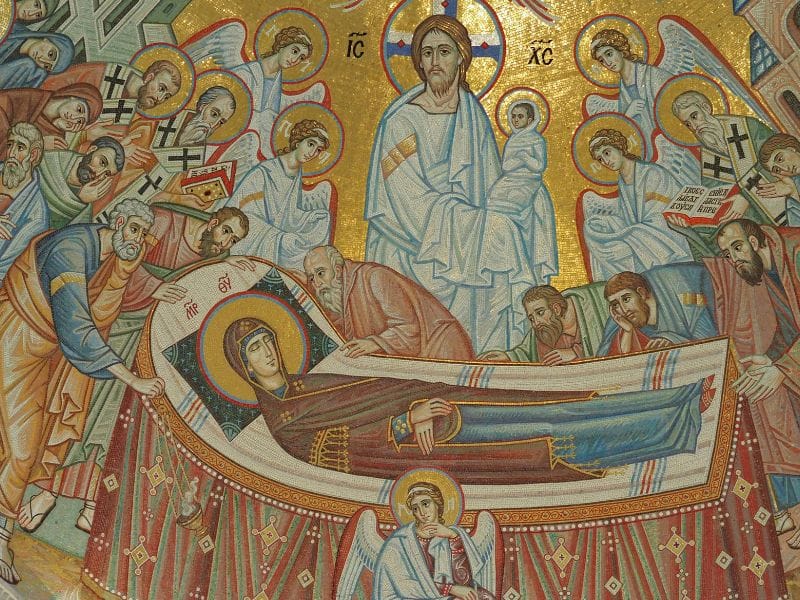
The Byzantine Empire didn’t just inherit knowledge — it protected it. Ancient Greek philosophy, Roman law, classical literature — much of it survived because Byzantine scholars copied, studied, and taught it. At the same time, they were producing their own work: theology, art, architecture, and legal thought.
This continuity gave the empire depth. It wasn’t just reacting to threats. It was thinking, adapting, producing ideas. That intellectual life helped it remain relevant, not just powerful.
Trade That Never Fully Stopped
Even during conflict, trade rarely disappeared. Constantinople remained a major hub for goods moving between East and West. Silk, spices, metals, and everyday products passed through its markets. Cities like Thessaloniki played a key role in this network, connecting regions and keeping commerce active.
This mattered more than it might seem. Trade created resilience. It tied the empire to its neighbors, even enemies. It brought in wealth when other systems were under pressure. As long as goods kept moving, the empire kept breathing.
Strategy Over Brute Force
The Byzantine military wasn’t always the strongest in terms of numbers. But it was often the most careful. Instead of constant expansion, the empire relied on diplomacy, alliances, negotiation — even deception when needed. It avoided battles it couldn’t win and prolonged conflicts it couldn’t end quickly.
It wasn’t always glorious. But it worked. Survival, not spectacle, was the goal.
The Ability to Change Without Losing Identity
This may be the most important point. The Byzantine Empire changed — repeatedly. It restructured its army. Adjusted its economy. Shifted its borders. Even its identity evolved over time, moving further from its Roman roots while still preserving them in name and tradition.
That balance — change without complete rupture — is rare. Most empires either resist change and collapse, or change so much they lose coherence. Byzantium managed something in between.
Cities Beyond Constantinople
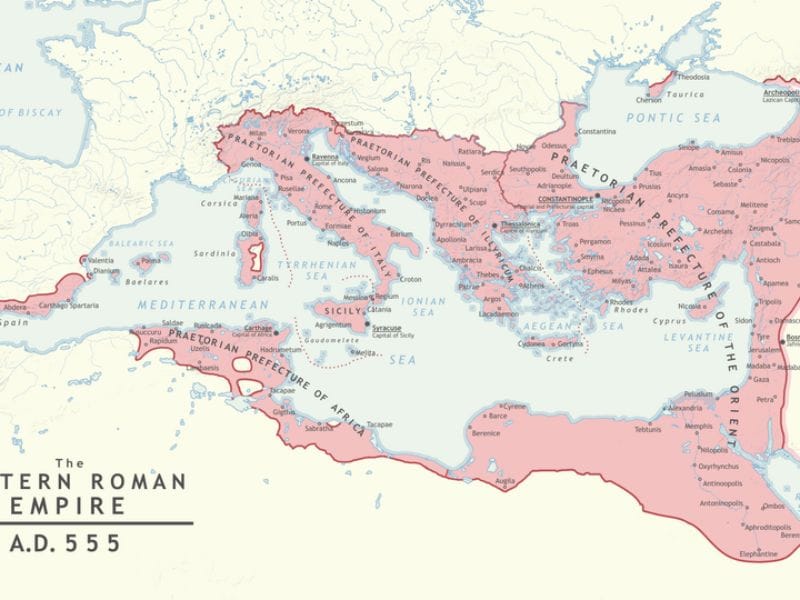
While Constantinople was the center, it wasn’t the whole story. Cities like Thessaloniki played crucial roles. They acted as regional hubs — for trade, religion, and administration. They connected the empire’s edges to its core.
In places like this, you can still see how the empire functioned on a daily level. Markets, churches, streets — they formed a smaller version of the larger system. Understanding the Byzantine Empire becomes easier when you look beyond the capital.
Why It Still Matters
The empire eventually fell. That part is unavoidable. But it didn’t disappear without leaving traces behind.
You still see its influence in:
- Orthodox Christianity
- religious art and iconography
- legal traditions
- the cultural identity of regions like Greece and the Balkans
In cities such as Thessaloniki, that presence isn’t abstract. It’s visible, physical, part of everyday life.
Final Thought
The Byzantine Empire was not the strongest at any single moment in history. Its power came from something else. Balance. Adaptation. Endurance. It didn’t survive because it was unbreakable. It survived because it knew how to bend. And in doing so, it achieved something most empires never do: It lasted.